
 PL
PL EN
EN DE
DE
From Mechanical Completion to Start-up: How to Reduce Commissioning Risk in Industrial Installations
A practical guide for international industrial teams on mechanical completion, leak testing, functional checks and start-up preparation before process systems go live.
In industrial projects, commissioning is often treated as the last stage before production. In practice, it is a controlled transition between construction, mechanical completion and safe operation. The earlier this transition is planned, the lower the risk of leaks, repeated tests, delays and start-up interruptions.
For international B2B projects, EPC teams, operators, QA/QC inspectors and contractors often work across different procedures, languages and standards. Reliable commissioning requires clear documentation, disciplined testing and practical field experience.
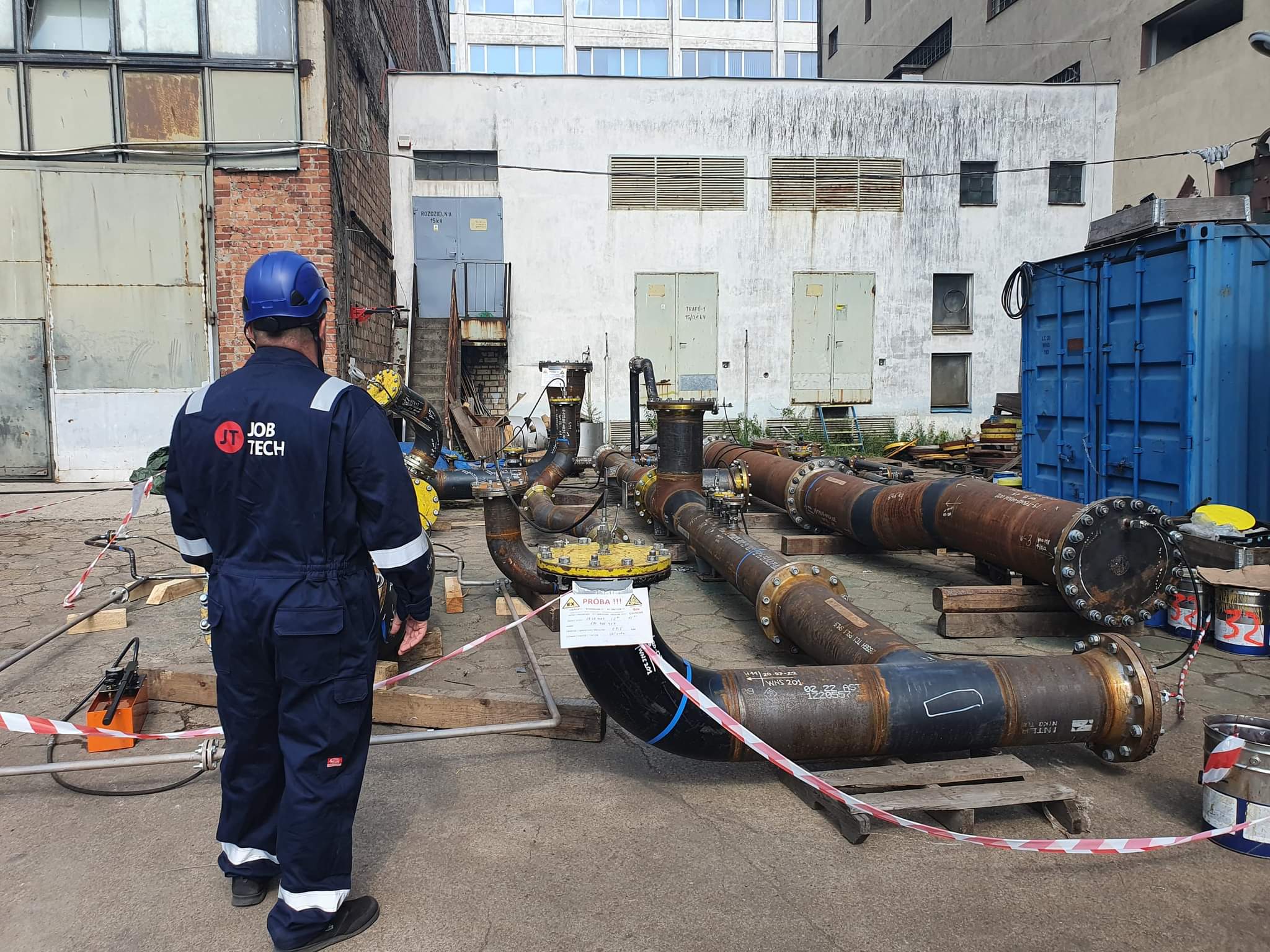
Commissioning starts before the first medium enters the system
A frequent mistake is to start commissioning only after installation is finished. For process piping, mechanical systems and industrial equipment, start-up risk is created much earlier: during prefabrication, assembly, inspection planning and test packaging.
Before handover, each line, connection and item of equipment should be verified for its intended duty. Key areas include material compatibility, weld status, flange integrity, valve orientation, support installation, cleanliness, test boundaries and documentation status.
In well-managed projects, commissioning is a sequence of controlled steps:
- mechanical completion and punch-list closure,
- pressure and leak testing,
- cleaning, flushing, drying or nitrogen purging,
- functional testing of mechanical and auxiliary systems,
- final reinstatement and handover for start-up.
Each step reduces uncertainty. Skipping one usually transfers risk to the next phase.
Mechanical completion: more than a checklist
Mechanical completion confirms that the installation has been built in accordance with drawings, specifications and site requirements. Its value depends on field verification, not on the checklist alone.
For piping systems, checks typically cover weld identification, supports, gasket and bolt class, flange alignment, valve position, slope, vents, drains, temporary items, blinds and test limits. For machinery, they may cover foundations, grouting, coupling alignment, lubrication, rotation direction and guards.
The objective is simple: identify defects while they are still easy to correct. A missing drain point, incorrect gasket or unsupported line may look minor during construction, but it can become a major issue during pressure testing or start-up.
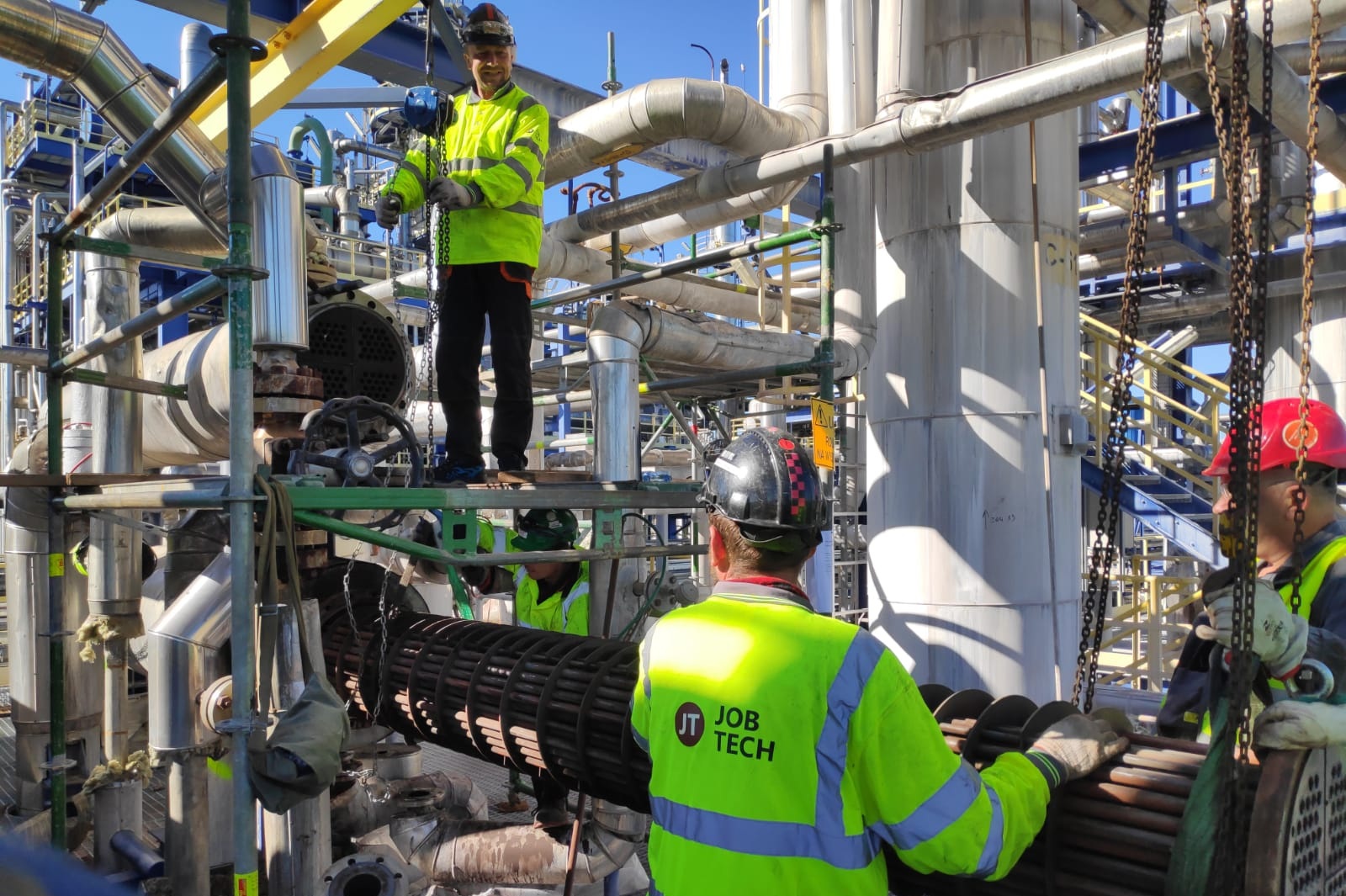
Leak and pressure testing: proving integrity before operation
Pressure testing confirms that a system can withstand the required test conditions and that joints, welds and components remain leak-tight within the defined acceptance criteria.
Hydrostatic testing is common where water is compatible with the system. Pneumatic testing may be selected when water cannot be introduced, but it requires strict risk control. In critical applications, helium testing, gas detection, vacuum box testing or ultrasonic leak detection can support verification.
| Area | Practical requirement |
|---|---|
| Test boundaries | Marked limits, blinds and isolated equipment |
| Documentation | Approved test pack, drawings, certificates and calibration records |
| Safety | Exclusion zones, pressure steps and controlled depressurisation |
| Reinstatement | Correct gaskets, bolts, valves and temporary item removal |
Without disciplined preparation, the same system may need to be tested twice. That means more labour, higher schedule pressure and unnecessary site risk.
Cleaning, flushing and drying: avoiding hidden contamination
A mechanically complete system is not automatically ready for process media. Construction residues, scale, oil, water or foreign objects can damage equipment, contaminate product or block instrumentation.
Cleaning and flushing should match the service of the installation. Water flushing, oil flushing, air blowing, chemical cleaning, pickling, passivation, compressed-air drying and nitrogen purging all serve different purposes. The right method depends on material, medium, cleanliness class and start-up sequence.
Acceptance criteria should be measurable. Flow velocity, cleanliness level, dew point, visual inspection results or laboratory analysis can confirm readiness before release.
Functional tests: checking whether the installation works as a system
Functional testing connects mechanical work with operational reality. It verifies that installed components do not only exist, but perform their intended function under controlled conditions.
Typical checks may include valve operation, pump rotation, drive alignment, actuator response, flushing circuits, emergency functions, instrumentation interfaces and local operating procedures. For rotating equipment, alignment and vibration behaviour are especially important.
This is also where communication between mechanical, electrical, automation and operations teams becomes critical. A valve may be installed correctly, but still fail because of control logic, signal direction, air supply or incorrect tagging.
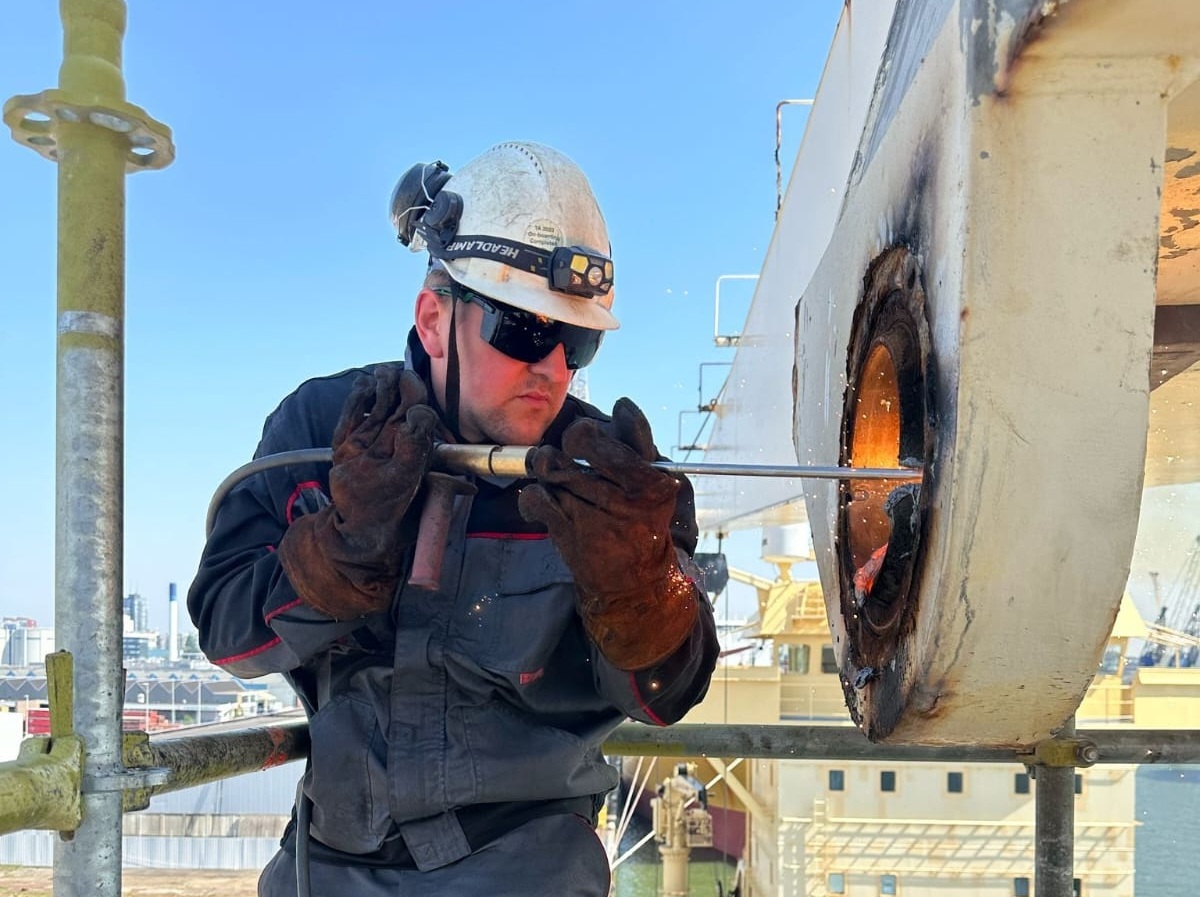
International execution: standards, safety and documentation
International industrial projects require consistent working methods. Site teams often operate under EN, ASME, client-specific QA/QC requirements and local HSE procedures. The practical challenge is to turn these requirements into safe, repeatable site work.
Test packs, punch lists, inspection reports, flange records, welding documentation, calibration certificates and handover protocols create a traceable path from installation to start-up. Predictable communication is just as important: clear scope boundaries, fast reporting of deviations and practical solutions agreed before they affect the schedule.
Reducing start-up risk: practical conclusions
The most effective commissioning strategy is built on prevention: early test packages, controlled flange and weld quality, planned cleaning methods and functional tests treated as system verification rather than a formality.
For plant owners, EPC contractors and maintenance departments, the key benefit is predictability. When mechanical completion, testing and start-up support are handled by teams familiar with industrial site conditions, the installation reaches operation with fewer surprises.
Need support with commissioning, testing or mechanical works?
JobTech supports industrial clients in assembly, service and overhaul of industrial installations, including process piping, pressure and leak testing, mechanical works, cleaning, flushing, drying, nitrogen purging, diagnostics and start-up support. Our team can help prepare installations for safe, controlled operation in international industrial environments.
Have questions about industrial installations?
Contact our team — we will be happy to discuss your project requirements and propose the optimal solution.
Get in toucharrow_forward